Breathwork
The Role of Breathwork in Everyday Life
Breath is the one physiological process you can consciously steer. Understanding it changes how you meet an ordinary day.
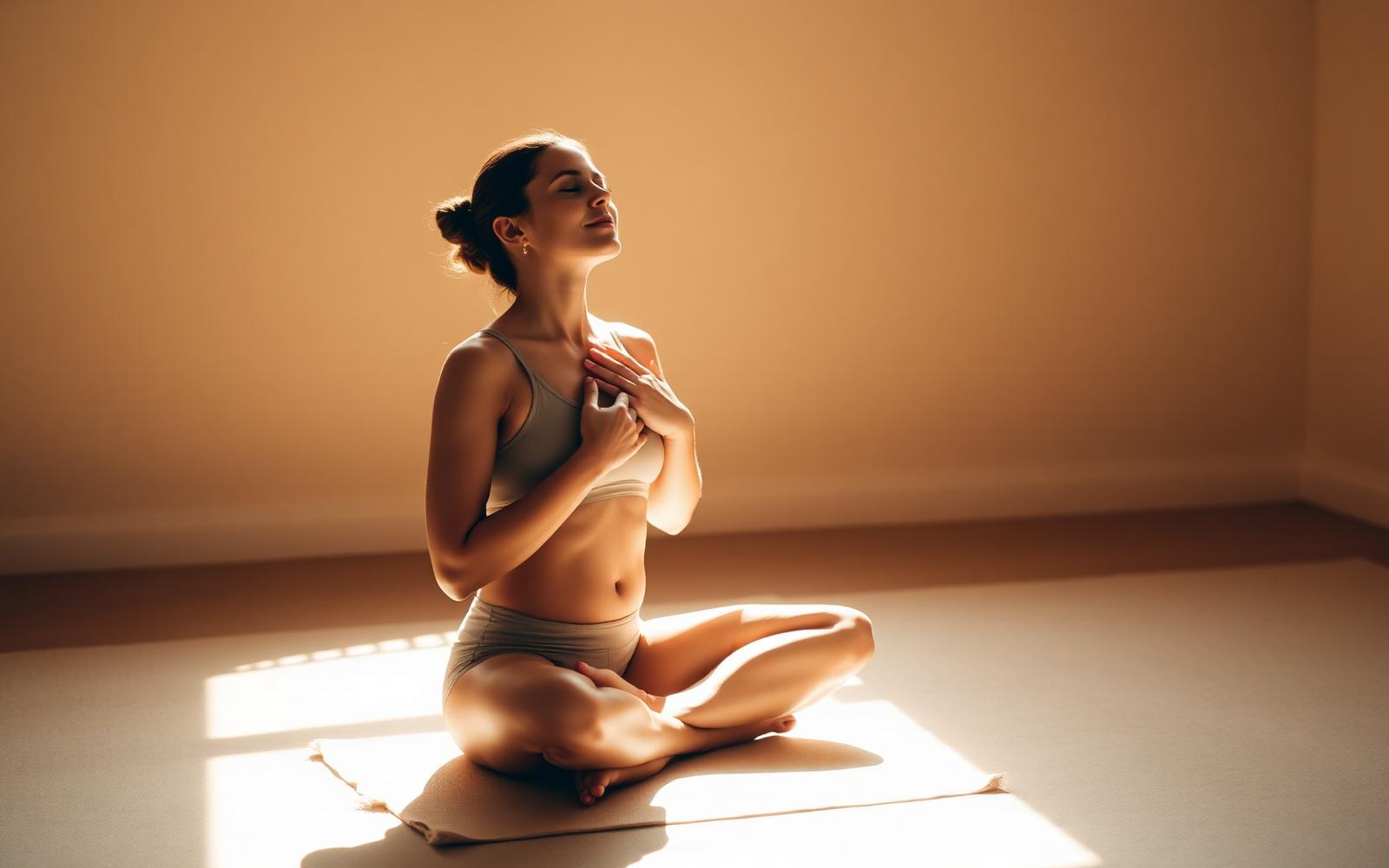
You take somewhere between seventeen and twenty-three thousand breaths a day. Almost all of them happen without your attention, and every one of them informs your nervous system whether it is safe or under threat.
Breathing is a signal, not just an exchange
Breath does more than move oxygen. Its rate, depth and rhythm are read continuously by the autonomic nervous system. Rapid, shallow, upper-chest breathing is interpreted as vigilance. Slow nasal breathing with an unhurried exhale is interpreted as safety. Neither requires belief; the response is mechanical.
What functional breathing looks like
- Through the nose, at rest and in light activity.
- Quiet — audible breathing at rest indicates effort.
- Diaphragmatic — the lower ribs widen; the shoulders stay still.
- Unhurried, with the exhale slightly longer than the inhale.
- With a comfortable pause after the exhale rather than an urgent next breath.
Pranayama and prana
In the yogic tradition, prana is the vital energy that moves through breath, and pranayama is its disciplined regulation. Practices such as nadi shodhana balance the two sides of the system; bhramari lengthens the exhale; kapalabhati is stimulating and belongs earlier in the day. The tradition is precise about sequence and season, which is why breathwork is best learnt with guidance rather than from a screen.
“You cannot argue yourself calm. You can breathe yourself calm, and then think clearly.”
Three practices for an ordinary day
- On waking — twenty slow nasal breaths before reaching for a phone, allowing the exhale to lengthen.
- Before meetings or meals — six breaths counting four in and six out, which shifts the system into a digesting, listening state.
- Before sleep — five minutes of quiet nasal breathing lying down, one hand on the lower ribs to keep the movement low.
Two weeks of this is usually enough to notice the difference — not as a dramatic experience, but as a slightly wider gap between a stimulus and your reaction to it.
A practice to try
Notice your breath three times tomorrow: on waking, mid-afternoon, and before sleep. Do not correct it. Simply record what you find.
Continue reading
Related essays
Yoga
Yoga Beyond Physical Exercise
Posture is the doorway, not the room. What the older definition of yoga includes — and why it matters for how you practise.

Ayurveda
What Is Ayurveda? A Beginner's Guide
Ayurveda is not a treatment you receive but a way of understanding your own constitution. A grounded introduction to the science of life.

Conscious Living
Conscious Living in a Fast-Paced World
Conscious living is often sold as slowness. It is really about deliberateness — and that is available inside a full life.